Location:
All Syrian governorates.
Nature of Work:
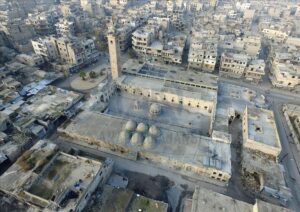
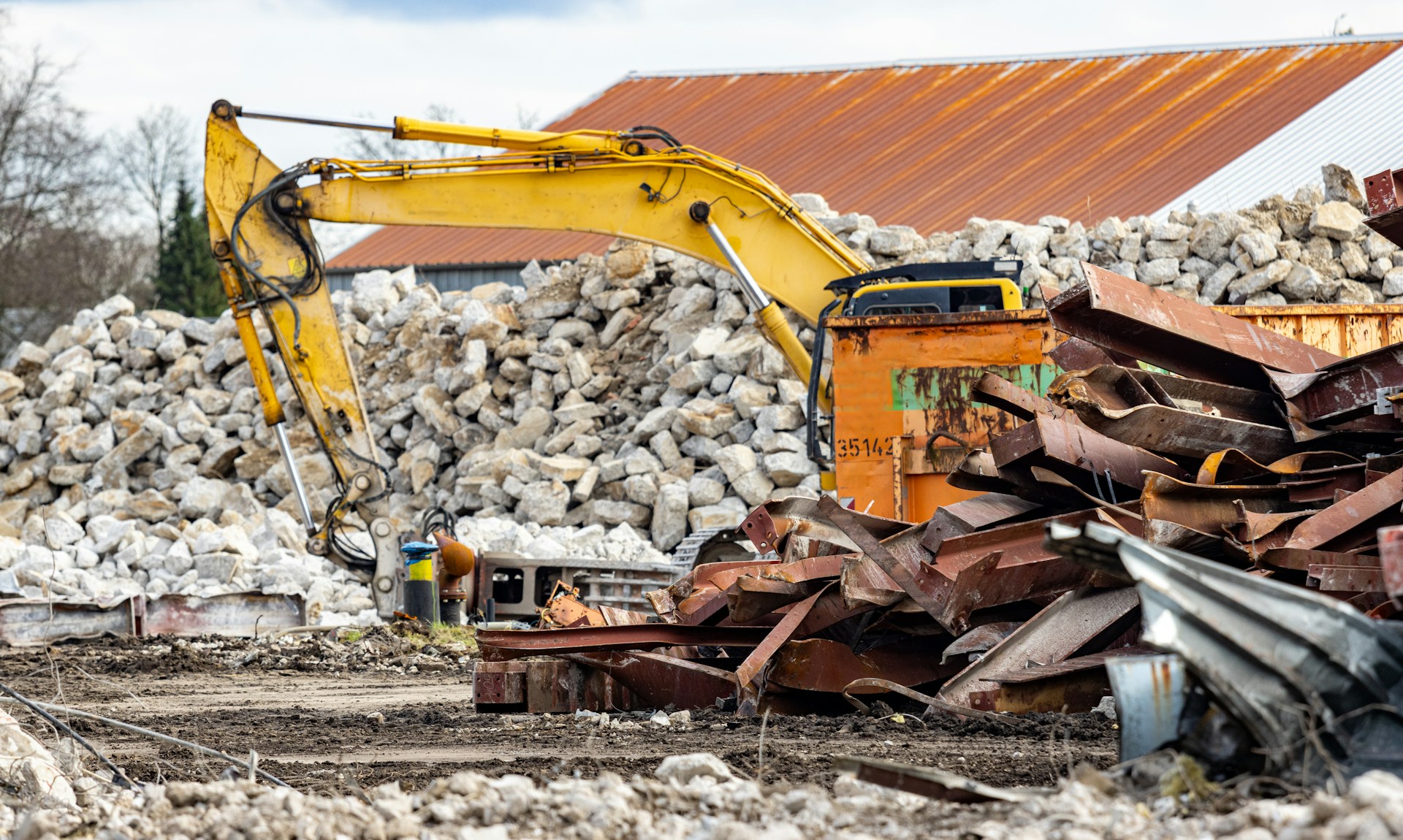
Conducting specialized workshops on the volume of debris resulting from destruction, collecting and analyzing field data, designing a national vision for debris management, identifying suitable locations for recycling, conducting pilot projects in selected areas, and developing partnerships with the public and private sectors to support the sustainable management of this resource.
Significance:
- Utilizing the massive quantities of debris as a national resource for reconstruction.
- Reducing the environmental impact of waste accumulation.
- Lowering the cost of construction and reconstruction operations.
- Supporting the principles of the circular economy and contributing to sustainable development.
Activities Implemented:
A number of preliminary, informational, and community-based activities have been implemented to raise awareness and promote discussion about the importance of managing debris as a sustainable national resource, most notably:
- Dialogue sessions bringing together experts and representatives from municipalities and civil society to discuss local and international experiences in recycling.
- An online and community awareness campaign focusing on the concept of “debris as a resource” and the importance of utilizing it in early recovery projects.
- Preparation of a preliminary analytical paper on the volume of debris in major Syrian cities and the potential opportunities for its reuse in infrastructure projects.
- Initial coordination with government agencies and local councils to explore the possibility of identifying potential locations for future recycling plants.
Stakeholders:
Government agencies, local councils, civil society organizations, the private sector, and international donors.
Project Team:
: To be determined later within the project’s organizational structure.
Timeline:
The project extends over 9 to 12 months, and the preparatory phase began in June 2025.